7 Self-Care Techniques from Chinese Medicine to Reduce Stress and Anxiety
In our fast-paced modern lives, finding authentic self-care strategies that truly work for stress management and anxiety relief is more important than ever. A powerful and little-known resource lies in the wisdom of Chinese medicine. In this article we’ll explore **“chinese self care techniques”** rooted in holistic wellness traditions that help you manage stress, support anxiety relief, and restore emotional balance.
Introduction: Why Chinese Self Care Techniques Matter
When we think of stress or anxiety, we often imagine an over-active mind, racing thoughts, a pounding heart. Yet according to traditional Chinese medicine (TCM), the body and mind are deeply interconnected, and emotional distress often reflects disruptions in the body’s energy flow, organ systems, or life-force known as Qi. :contentReference[oaicite:0]{index=0}
By embracing Chinese self-care techniques, we adopt a holistic wellness approach — one that addresses not only symptoms, but the underlying energetic, emotional and physical imbalances that contribute to stress and anxiety. From gentle movement to mindful eating, from acupressure to herbs, these practices offer a rich palette of tools for self-nurture.
Below you’ll find seven such techniques. Each one is accessible, grounded in centuries of practice, and adaptable for everyday life.
1. Qi Gong & Tai Chi – Movement for Mind-Body balance
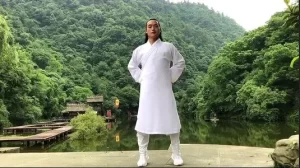
One of the cornerstones of Chinese self care techniques is the practice of mindful movement — especially Qi Gong and Tai Chi. These are not vigorous workouts; instead, they combine gentle motion, deep breathing and mental focus to harmonise body and mind.
Why it matters for stress management & anxiety relief:
- These practices stimulate the parasympathetic nervous system (the “rest-and-digest” mode) and calm the fight-or-flight reactivity. :contentReference[oaicite:3]{index=3}
- They help regulate Qi flow through meridians, which TCM identifies as key for emotional and physical well-being. :contentReference[oaicite:4]{index=4}
- They also encourage mindfulness: breathing, posture, awareness — all of which reduce anxious reactivity and improve resilience.
How to integrate this into your routine: Begin with 10 minutes a day of slow flowing movement: stand or walk with soft knees, inhale gently, exhale slowly, let your arms move naturally. Focus your mind on the feeling of the body and breath rather than what you “should” be doing. Over time you can look into a formal class or guided video.
2. Acupressure & Meridian Self-Massage
Another set of Chinese self care techniques involve stimulating specific points and pathways (meridians) on the body to release tension, shift stuck energy and invite calm. In Western terms this might look like acupressure or self-massage.
Key points:
- For example the ear point known as Shenmen (“Spirit Gate”) is used in Chinese medicine to calm anxiety, reduce over-thinking and improve sleep. :contentReference[oaicite:6]{index=6}
- A report from a major health system notes that acupressure over specific spots is used for stress relief and anxiety in TCM-influenced therapies. :contentReference[oaicite:7]{index=7}
Simple self-care tip: Use your thumb or fingertip to apply gentle pressure on the web between your thumb and index finger (this is one commonly used point). Hold for 30–60 seconds while breathing deeply. Do this on both sides, three times a day if possible. Pair it with the thought: “I am safe, I am calm.” Over time, you’ll build a reflex of relaxing when you touch these points.
3. Dietary & Lifestyle Harmony (Eat with the Seasons)
In Chinese medicine, food isn’t just fuel — it’s medicine. One of the most consistent Chinese self care techniques is aligning what you eat (and how you live) with your constitution and environment, for holistic wellness.
Why this matters for stress management & anxiety relief:
- When we’re stressed or anxious, digestion, sleep and immunity all suffer — TCM recognises that organ-systems and energy pathways are disturbed by emotional tension. :contentReference[oaicite:8]{index=8}
- Eating seasonally and appropriately for your body type supports smooth Qi flow, better digestion and emotional stability. :contentReference[oaicite:9]{index=9}
Practical guidelines:
- Aim to include warm, cooked meals rather than too many raw/cold foods if you feel anxious or fatigued. For example: warming ginger tea, steamed vegetables, root-vegetables in colder months.
- Avoid excessive caffeine, sugar and highly processed foods — these can aggravate Qi stagnation or yang excess from a TCM perspective.
- Ensure you’re getting regular sleep, moderate movement and seasonal adjustment: e.g., getting out into sunlight, aligning your schedule with nature’s rhythm. These are part of lifestyle harmony in TCM.
4. Herbal & Tea Remedies (Gentle Support for Mind & Body)
As part of Chinese self care techniques, herbal formulas and soothing teas have been used for centuries to harmonise emotional states, soothe anxiety and support resilience. While always consult a qualified practitioner especially if you take medications, for mild stress you can integrate gently under guidance.
What the evidence says:
- Formulas like Xiao Yao Wan (Free & Easy Wanderer) are mentioned in home-use articles for easing liver-Qi stagnation, tension and mood swings. :contentReference[oaicite:11]{index=11}
- An article outlines multiple Chinese-medicine methods including herbal remedies as part of stress relief strategies. :contentReference[oaicite:12]{index=12}
Tips for using herbal/tea support: – Choose calming herbal teas: for example chamomile + mugwort + licorice root (again, check for contraindications). – Seek out a TCM practitioner for a personalised formula if stress or anxiety are persistent. – Use herbs/teas as a complement — not a substitute — for movement, breathing and lifestyle practices.
5. Breath, Meditation & Mind-Body Regulation
Mind-body regulation is central to Chinese self care techniques: the breath, the mind’s focus and the body’s alignment all affect how energy flows and how we respond to stress.
Here’s why it helps:
- Studies of mind-body therapies derived from TCM show they reduce anxiety, improve mood, and regulate physiology (heart rate, respiratory rate, cortisol) when done regularly. :contentReference[oaicite:13]{index=13}
- By integrating breath with movement (like Qi Gong) or even stillness (meditation), you develop emotional flexibility, less reactivity, and greater resilience.
How to practice: – Daily: Sit quietly for 5 minutes. Breathe in slowly for 4 seconds, hold for 1, breathe out for 6 seconds. – While doing daily tasks: Pause, take 3 conscious deep breaths, notice your body, soften your shoulders. – When anxiety arises: Close your eyes (if safe), drop your chin slightly, breathe deeply into your belly, remind yourself “I am here now. I can handle this.”
6. Body-Work: Tui Na, Cupping & Gua Sha
Physical therapies are also part of Chinese self care techniques. These include manual modalities such as Tui Na (Chinese therapeutic massage), Cupping and Gua Sha. These practices aim to clear blockages, release muscular tension, stimulate circulation and help regulate emotional-stress patterns held in the body.
Why they help with stress and anxiety:
- When we are stressed or anxious, many hold tension in shoulders, neck, back. Manual work helps physically release that tension, which in turn eases the nervous system. :contentReference[oaicite:17]{index=17}
- TCM identifies that stagnated Qi often manifests physically (tightness, knots, pain) so clearing it helps restore energy flow and emotional balance. :contentReference[oaicite:18]{index=18}
How to incorporate this: – Consider weekly or bi-weekly sessions with a qualified TCM body-work practitioner (Tui Na, cupping). – At home: Use a simple gua sha tool or handheld massager on your shoulders and upper back while drinking calming tea. Move slowly with intention. – After the session: Rest for 10 minutes, breathe deeply, and allow your nervous system to integrate the work.
7. Emotional Cultivation: Yin/Yang & Five Elements Awareness
Finally, one of the more subtle but powerful Chinese self care techniques lies in cultivating emotional awareness through the lens of the Five Elements (Wood, Fire, Earth, Metal, Water) and the Yin–Yang balance. In TCM, emotions are tied to organ-systems and elements—for example, frustration/liver (Wood), grief/lung (Metal). Recognising this helps us approach stress and anxiety holistically.
Why this matters:
- Instead of only looking at “Why am I anxious?”, this perspective asks: “Where in my body/mind is this stuck energy? What organ-system is stressed? What lifestyle or nutritional factor might be influencing it?” This deeper inquiry leads to lasting change, not just symptom relief. :contentReference[oaicite:19]{index=19}
- It also emphasises preventive self-care: when your “Wood (liver) energy” is healthy, you’re less likely to get triggered into anger or frustration; when your “Earth (spleen/stomach) energy” is balanced, you digest emotions and experiences rather than ruminate them.
How to practice emotional cultivation: – Reflect weekly: Which emotion have I felt most strongly this week? Where in my body did I feel it? What might that be telling me about my internal energy flow? – Write a short journal: “This week I noticed ___ emotion. In my body I felt ____ (tight chest, heavy limbs, restless mind). I will support my system with ___ (a walk, Qi Gong, warm food, less screen time).” – Use gentle affirmations aligned with TCM wisdom: “My energy flows freely. My body and mind work as one. I am balanced.”
Putting It All Together: A Weekly Self-Care Routine
You don’t have to adopt all seven techniques at once. Here’s a suggested weekly routine to weave them in gently, focusing on stress management, anxiety relief and holistic wellness:
- Daily (morning): 5–10 minutes of breath-work or meditation. Followed by 1–2 minutes of self-acupressure (e.g., thumb-index web point).
- Daily (evening): 10 minutes of Qi Gong or Tai Chi movements or gentle stretching. Pair with a calming herbal tea.
- 3× per week: Eat warm, nourishing meals aligned with season (see section 3). Avoid screens or heavy caffeine after 8 pm.
- 1× per week: Body-work session (massage, Tui Na, cupping) or a gua sha at home. Follow with restful downtime.
- Weekly reflection: Journal your emotional themes (section 7). Note triggers, sensations, energy flow. Adjust next week’s focus based on what you discover.
As you build consistency, you’ll likely notice reductions in racing thoughts, improved sleep, fewer physical tensions (shoulders, jaw, back), and a greater sense of inner calm. You will be engaging in true holistic wellness — not just stress relief in the moment, but building resilience for the long term.
Important Considerations & Safety Notes
While Chinese self care techniques offer accessible and effective options for stress management and anxiety relief, a few cautions are worth noting:
- If you have severe anxiety, panic disorder, major depression or any other mental-health condition, these techniques are **complementary** and not a replacement for professional psychological or psychiatric care.
- If you are using herbal formulas, have chronic illness, are pregnant or taking prescription medications, consult a qualified TCM practitioner or integrative healthcare professional before beginning.
- Manual therapies like cupping or gua sha should be performed by trained practitioners or learned carefully — improper technique can cause bruising or discomfort. :contentReference[oaicite:20]{index=20}
Conclusion
In exploring these seven Chinese self care techniques, you’re stepping into a rich tradition that honours both body and mind — and their deep interconnection. Whether it’s the slow flow of Qi Gong, the gentle stimulus of acupressure, the mindful nourishment of your meals, or the weekly reflection on your emotional rhythm, each practice anchors you in holistic wellness.
When stress and anxiety arrive (and they will), you’ll have a toolkit at hand: one that is anchored in ancient wisdom, validated by modern holistic health perspectives, and deeply human in its approach. By nurturing your Qi, aligning your movement and breath, supporting your diet and lifestyle — you will not just cope with stress and anxiety, you will **transform** your relationship to it.
Start with one technique today. Give it two weeks of consistent practice. Then add another. Over time you’ll find your energy becoming steadier, your mind calmer, your body more responsive — and your life more aligned with the meaning of “whole-person” wellness.
“Self-care isn’t selfish. It’s the foundation of resilience.”
Here’s to your journey of stress management, anxiety relief and holistic wellness — the Chinese medicine way.
If you found this article useful, feel free to bookmark or share it with someone who might also benefit.